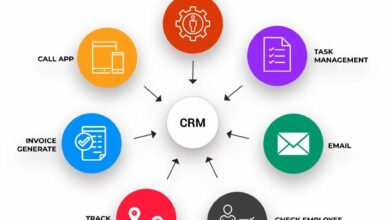
Running a small business? A smart CRM system for small business can be your secret weapon. It organizes customer data, boosts sales, and saves time—all in one powerful platform.
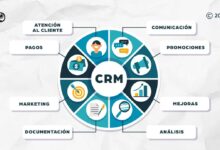



Why Every Small Business Needs a CRM System for Small Business

In today’s hyper-competitive market, small businesses can’t afford to rely on spreadsheets and sticky notes to manage customer relationships. A CRM (Customer Relationship Management) system for small business is no longer a luxury—it’s a necessity. It streamlines communication, tracks interactions, and provides valuable insights into customer behavior, enabling smarter decisions and stronger relationships.
What Is a CRM System for Small Business?
A CRM system for small business is a software solution designed to help small companies manage interactions with current and potential customers. It centralizes customer data—like contact details, purchase history, support tickets, and communication logs—into a single, accessible platform. This eliminates data silos and ensures every team member has the right information at the right time.
Unlike enterprise-level CRM systems that can be overly complex and expensive, small business CRMs are built with simplicity, affordability, and scalability in mind. They often come with user-friendly interfaces, quick setup processes, and modular features that grow with your business.
Key Benefits of Using a CRM for Small BusinessesImproved Customer Relationships: By tracking every interaction, a CRM helps personalize communication and build trust.Increased Sales Efficiency: Sales teams can manage leads, track deals, and forecast revenue more accurately.Better Team Collaboration: Shared access to customer data ensures marketing, sales, and support teams are aligned.Automation of Repetitive Tasks: From follow-up emails to appointment reminders, automation saves hours every week.Data-Driven Decision Making: Real-time reports and dashboards provide insights into performance and customer trends.”A CRM isn’t just a tool—it’s a strategy.It turns random interactions into meaningful relationships.” — HubSpotTop 7 CRM Systems for Small Business in 2024Choosing the right CRM system for small business can feel overwhelming with so many options available..
To help you make an informed decision, we’ve analyzed the top 7 CRM platforms based on features, pricing, ease of use, and scalability.These tools are proven to deliver real results for small businesses across industries..
1. HubSpot CRM
HubSpot CRM is one of the most popular CRM systems for small business due to its powerful free plan and seamless integration with marketing, sales, and service tools. It offers contact management, deal tracking, email scheduling, and live chat—all at no cost for the basic version.
What sets HubSpot apart is its intuitive interface and extensive ecosystem. As your business grows, you can upgrade to paid tiers that include advanced automation, custom reporting, and CRM pipelines. Its integration with tools like Gmail, Outlook, and Slack makes it easy to adopt without disrupting existing workflows.
Learn more about HubSpot’s features at HubSpot CRM.
2. Zoho CRM
Zoho CRM is a versatile and affordable CRM system for small business that offers AI-powered sales automation through its Zia assistant. It supports lead and deal management, workflow automation, and social media integration.
One of Zoho’s biggest strengths is its customization. You can tailor modules, fields, and workflows to match your unique sales process. It also integrates with over 40 Zoho applications and 500+ third-party apps via Zapier, making it a flexible hub for your tech stack.
Pricing starts at $14/user/month, and a free plan is available for up to three users. Visit Zoho CRM to explore its capabilities.
3. Salesforce Essentials
Salesforce, known for its enterprise solutions, also offers Salesforce Essentials—a streamlined CRM system for small business with up to 10 users. It includes contact and lead management, email integration, and mobile access.
While more expensive than some competitors, Salesforce Essentials provides robust reporting, task automation, and integration with popular tools like Gmail, Outlook, and Mailchimp. Its strength lies in scalability—perfect for small businesses planning rapid growth.
Starting at $25/user/month, it’s a solid investment for data-driven teams. Check it out at Salesforce Essentials.
4. Freshsales (by Freshworks)
Freshsales is a modern CRM system for small business that emphasizes AI-driven insights and a clean user interface. It offers visual deal pipelines, built-in phone and email, and lead scoring to prioritize high-value prospects.
The platform’s AI assistant, Freddy, helps predict deal closures and recommends next steps. Freshsales also supports automation rules, web tracking, and integrations with tools like WhatsApp, Slack, and Google Calendar.
Pricing starts at $15/user/month, with a free version for up to 10 users. Learn more at Freshsales.
5. Insightly
Insightly is a CRM system for small business that blends customer relationship management with project management. This dual focus makes it ideal for service-based businesses, consultants, and agencies.
It offers contact and opportunity management, workflow automation, and project tracking with Gantt charts. Insightly also supports custom fields, email integration, and mobile access. Its strength lies in connecting sales pipelines with project deliverables, ensuring nothing falls through the cracks.
Pricing starts at $29/user/month, with a free plan for two users. Explore it at Insightly.
6. Pipedrive
Pipedrive is a sales-focused CRM system for small business that uses a visual pipeline to track deals from lead to close. It’s designed for sales teams that want clarity and simplicity.
Key features include activity reminders, email integration, sales reporting, and automation. Pipedrive also offers robust API access and integrates with over 400 apps, including Mailchimp, Slack, and QuickBooks.
Its pricing starts at $14.90/user/month, and a free trial is available. Visit Pipedrive to see how it can streamline your sales process.
7. Keap (formerly Infusionsoft)
Keap is a CRM system for small business that excels in marketing automation and appointment scheduling. It’s particularly popular among local service providers like HVAC companies, salons, and consultants.
Keap combines CRM, email marketing, and automation in one platform. You can set up automated campaigns, track leads, and schedule appointments—all while syncing with calendars and payment systems.
Pricing starts at $79/month for the Lite plan, which supports up to 500 contacts. While pricier than others, Keap delivers exceptional value for businesses focused on lead conversion. Learn more at Keap.
Key Features to Look for in a CRM System for Small Business
Not all CRM systems for small business are created equal. To get the most value, focus on platforms that offer the right mix of functionality, usability, and affordability. Here are the essential features you should prioritize.
Contact and Lead Management
The foundation of any CRM system for small business is its ability to store and organize contact information. Look for a platform that allows you to capture leads from multiple sources—website forms, social media, email campaigns—and store them in a centralized database.
Advanced features include lead scoring (ranking leads based on engagement), tagging, and segmentation. This helps sales teams prioritize follow-ups and tailor messaging to specific customer groups.
Sales Pipeline and Deal Tracking
A visual sales pipeline is crucial for understanding where each deal stands. A good CRM system for small business should let you create customizable stages—like ‘Prospect,’ ‘Qualified,’ ‘Proposal Sent,’ and ‘Closed Won’—and drag-and-drop deals through them.
Deal tracking should include fields for deal value, expected close date, and probability of closing. This enables accurate sales forecasting and helps identify bottlenecks in your process.
Automation and Workflow Tools
Time is your most valuable resource. Automation features in a CRM system for small business can save hours every week by handling repetitive tasks. Common automations include:
- Sending follow-up emails after a lead fills out a form
- Assigning tasks to team members when a deal moves to a new stage
- Scheduling reminders for calls or meetings
- Updating contact records based on user behavior
Look for platforms with no-code automation builders so you can set up workflows without technical help.
How to Choose the Right CRM System for Small Business
Selecting the best CRM system for small business requires careful evaluation of your goals, team size, budget, and technical needs. Rushing into a decision can lead to wasted money and low adoption rates. Follow this step-by-step guide to make the right choice.
Assess Your Business Needs
Start by identifying your pain points. Are you losing leads because they’re not followed up? Is your sales team spending too much time on admin tasks? Do marketing and sales teams work in silos?
Map out your customer journey—from lead capture to post-sale support—and determine where a CRM can add value. For example, if you run a service-based business, you might prioritize appointment scheduling and project tracking. If you’re in e-commerce, integration with your online store and email marketing is key.
Consider Scalability and Integration
Your CRM should grow with your business. Choose a platform that allows you to add users, upgrade features, and integrate with other tools as your needs evolve.
Check if the CRM integrates with your existing software—like email, accounting, e-commerce, or telephony systems. Platforms that support APIs or work with Zapier offer greater flexibility.
Test User Experience and Adoption
No matter how powerful a CRM system for small business is, it’s useless if your team won’t use it. Prioritize platforms with intuitive interfaces, mobile access, and minimal learning curves.
Take advantage of free trials or demos. Involve key team members in the evaluation process to get their feedback. High user adoption leads to better data accuracy and more effective customer management.
Implementing a CRM System for Small Business: Best Practices
Implementing a CRM system for small business isn’t just about installing software—it’s about changing how your team works. A poorly executed rollout can lead to resistance, data errors, and wasted investment. Follow these best practices to ensure a smooth transition.
Start with Clear Goals and Training
Define what success looks like. Is it a 20% increase in lead conversion? A 30% reduction in response time? Clear goals keep your team focused and motivated.
Provide comprehensive training for all users. This includes not just how to use the CRM, but why it matters. Show real examples of how the CRM will make their jobs easier and more effective.
Migrate and Clean Your Data
Importing messy or outdated data will undermine your CRM’s effectiveness. Before migration, clean your existing databases—remove duplicates, update contact details, and standardize formats.
Most CRM platforms offer import tools for CSV files or integrations with email clients. Start with a small batch, verify accuracy, and then scale up. Assign a team member to oversee data quality.
Customize for Your Workflow
Don’t use the CRM “out of the box.” Customize fields, pipelines, and automation to match your actual sales and service processes. For example, if you offer multiple service packages, create custom deal stages for each.
Use tags and categories to segment customers by industry, location, or behavior. This enables targeted marketing and personalized service.
Common CRM Implementation Mistakes to Avoid
Even the best CRM system for small business can fail if implemented incorrectly. Here are the most common pitfalls and how to avoid them.
Skipping the Planning Phase
Jumping into setup without a plan leads to confusion and wasted effort. Before implementation, map out your customer journey, define user roles, and establish data management rules.
Create a project timeline with milestones and assign responsibilities. This ensures accountability and keeps the rollout on track.
Over-Customizing Too Early
While customization is powerful, doing too much too soon can overwhelm users and slow adoption. Start with core features and basic workflows. Once your team is comfortable, gradually introduce advanced customizations.
Remember: simplicity drives adoption. A cluttered CRM with unused fields and complex rules will frustrate users.
Ignoring Data Security and Permissions
Customer data is sensitive. Ensure your CRM system for small business complies with data protection regulations like GDPR or CCPA. Set up role-based access so employees only see the data they need.
Regularly back up your data and use strong authentication methods. Choose a provider with a strong security track record and clear privacy policies.
Measuring the ROI of Your CRM System for Small Business
Investing in a CRM system for small business should deliver measurable returns. To justify the cost and optimize usage, track key performance indicators (KPIs) before and after implementation.
Sales Performance Metrics
Monitor changes in sales cycle length, conversion rates, average deal size, and win/loss ratios. A well-implemented CRM should shorten sales cycles and increase close rates by improving follow-up and deal visibility.
Use built-in reporting tools to generate monthly sales forecasts and pipeline reviews. Share these insights with your team to drive accountability and strategy.
Customer Satisfaction and Retention
A CRM helps you deliver better service by providing a 360-degree view of each customer. Track customer satisfaction scores (CSAT), net promoter score (NPS), and repeat purchase rates.
Use the CRM to log support tickets, track resolution times, and send post-service surveys. Happy customers are more likely to refer others and stay loyal.
Operational Efficiency Gains
Calculate time saved through automation and streamlined workflows. For example, if your team previously spent 10 hours a week on manual data entry, and the CRM reduces that to 2 hours, that’s 8 hours of reclaimed productivity.
Track login frequency, data entry completeness, and user activity within the CRM to gauge adoption and engagement.
What is the best CRM system for small business?
The best CRM system for small business depends on your specific needs. HubSpot CRM is ideal for businesses wanting a free, all-in-one solution. Zoho CRM offers great customization, while Pipedrive excels in sales pipeline management. Evaluate your goals, team size, and budget before deciding.
Is a CRM worth it for small businesses?
Absolutely. A CRM system for small business improves organization, boosts sales, enhances customer service, and provides valuable insights. Even with a small team, a CRM can save time and drive growth by automating tasks and centralizing customer data.
How much does a CRM system for small business cost?
Costs vary widely. Many CRMs offer free plans for up to 3–10 users (e.g., HubSpot, Zoho). Paid plans typically start at $12–$15 per user per month. Premium solutions like Keap or Salesforce Essentials range from $25–$80 per user/month, depending on features.
Can I use a CRM without technical skills?
Yes. Most modern CRM systems for small business are designed for non-technical users. They feature drag-and-drop interfaces, pre-built templates, and guided setup processes. Providers like HubSpot and Zoho also offer extensive tutorials and customer support.
How long does it take to implement a CRM?
Implementation can take anywhere from a few days to several weeks. Simple CRMs with minimal data can be up and running in under a week. More complex setups with integrations and custom workflows may take 4–6 weeks. Proper planning and training are key to a smooth rollout.
Choosing the right CRM system for small business is a game-changer. It transforms chaotic customer data into a strategic asset, empowers your team, and drives sustainable growth. From HubSpot’s free tier to Keap’s automation power, the tools are accessible and effective. The key is to start with clear goals, involve your team, and focus on adoption. With the right CRM, even a small business can operate like a well-oiled machine—delivering exceptional customer experiences and outperforming the competition.
Further Reading: