Ever wondered what lies behind the term ‘B2B meaning’? It’s more than just business jargon—it’s the backbone of global commerce, shaping how companies grow, sell, and innovate together.





Understanding the Core B2B Meaning

At its heart, the B2B meaning refers to transactions between businesses, where one company sells products or services to another. Unlike B2C (business-to-consumer), B2B focuses on solving business problems, improving operations, or supporting supply chains. This model powers industries from manufacturing to software, forming the invisible engine of the global economy.
What Does B2B Stand For?
B2B stands for Business-to-Business. It describes any commercial transaction where both the buyer and seller are business entities—such as a software company licensing tools to a financial firm or a packaging supplier delivering materials to a beverage manufacturer.
- Transactions occur between organizations, not individuals.
- Products or services are used for business operations, not personal consumption.
- Decision-making is often complex and involves multiple stakeholders.
How B2B Differs from B2C
While B2C targets individual consumers with emotional appeals and quick purchases, B2B is driven by logic, ROI, and long-term value. A consumer might buy a laptop for personal use after a quick online review, but a company purchasing 100 laptops evaluates specs, warranties, bulk pricing, and IT integration.
- B2B sales cycles are longer and more consultative.
- Pricing is often customized and negotiated.
- Customer relationships are deeper and more strategic.
“B2B is not just about selling—it’s about building partnerships that drive mutual growth.” — Harvard Business Review
Historical Evolution of B2B Meaning
The b2b meaning has evolved dramatically over the past century. What began as simple supplier-buyer relationships has transformed into a digital, data-driven ecosystem. Understanding this evolution helps businesses anticipate future trends and stay competitive.
Pre-Internet Era: The Foundation of B2B
Before the digital age, B2B transactions relied on face-to-face meetings, trade shows, phone calls, and paper catalogs. Relationships were built over years, and trust was the primary currency. Companies like IBM and GE dominated industrial supply chains through long-term contracts and direct sales teams.
- Sales were relationship-driven and localized.
- Marketing was limited to print ads, trade journals, and direct mail.
- Order processing was manual and slow.
The Digital Revolution and E-Commerce Rise
The 1990s brought the internet, transforming the b2b meaning forever. Platforms like Alibaba (founded in 1999) and early ERP systems enabled companies to discover suppliers, negotiate deals, and place orders online. This era introduced B2B e-commerce, streamlining procurement and expanding global reach.
- Online marketplaces reduced dependency on intermediaries.
- Email and CRM systems improved communication and tracking.
- Data began to influence purchasing decisions.
Modern B2B: AI, Automation, and Personalization
Today, B2B is powered by artificial intelligence, automation, and hyper-personalization. Tools like Salesforce, HubSpot, and LinkedIn Sales Navigator enable precise targeting and predictive analytics. Buyers now expect Amazon-like experiences—self-service portals, real-time pricing, and instant support.
- AI-driven chatbots handle initial inquiries.
- Dynamic pricing models adjust based on demand and customer history.
- Content marketing and thought leadership shape buyer journeys.
Key Characteristics of B2B Business Models
The modern b2b meaning encompasses a range of operational and strategic traits that distinguish it from other business models. Recognizing these characteristics is essential for crafting effective marketing, sales, and customer success strategies.
Longer Sales Cycles and Complex Decision-Making
B2B purchases often involve multiple stakeholders—procurement, finance, IT, and executive leadership. A single decision can take weeks or months, requiring proposals, demos, and legal reviews. For example, a hospital adopting a new electronic health record system may involve doctors, administrators, and compliance officers.
- Sales teams must nurture leads over time.
- Content must address pain points across departments.
- Objection handling is more technical and detailed.
Higher Transaction Values and Volume
B2B deals typically involve larger sums than B2C. A company buying enterprise software might spend $100,000+ annually, compared to a consumer paying $10/month for a personal app. This justifies dedicated account management and customized service.
- Revenue per customer is significantly higher.
- Contracts are often multi-year with renewal clauses.
- Upselling and cross-selling are critical for growth.
Relationship-Driven Customer Retention
Unlike B2C, where loyalty is often fickle, B2B success hinges on long-term relationships. Retaining a client for five years can yield far more value than acquiring five new ones. Companies invest in customer success teams, onboarding programs, and regular check-ins to ensure satisfaction.
- Customer churn is costly and avoidable with proactive support.
- Feedback loops help improve products and services.
- Partnerships often lead to co-development of solutions.
Major B2B Industry Sectors and Examples
The b2b meaning spans numerous industries, each with unique dynamics, challenges, and opportunities. From manufacturing to SaaS, understanding these sectors helps businesses identify niches and tailor their offerings.
b2b meaning – B2b meaning menjadi aspek penting yang dibahas di sini.
Manufacturing and Supply Chain
This sector involves companies producing raw materials, components, or finished goods for other businesses. For example, a steel manufacturer supplies metal to automotive companies, while a textile mill provides fabric to apparel brands.
- Just-in-time inventory systems require reliable B2B partners.
- Global sourcing has increased complexity and risk.
- Sustainability and ethical sourcing are growing concerns.
Information Technology and SaaS
One of the fastest-growing B2B sectors, IT and SaaS companies provide software, cloud services, cybersecurity, and infrastructure. Firms like Microsoft, Oracle, and Zoom serve businesses with scalable digital tools.
- Subscription models dominate (e.g., monthly or annual SaaS fees).
- Integration with existing systems is a key selling point.
- Data security and compliance are top priorities.
Professional Services and Consulting
Firms offering legal, accounting, marketing, or management consulting operate on a B2B model. They sell expertise rather than physical products, often charging hourly rates or project-based fees.
- Trust and reputation are critical differentiators.
- Proposals and case studies are essential marketing tools.
- Client referrals drive a significant portion of new business.
B2B Marketing Strategies That Work
Effective B2B marketing goes beyond traditional advertising. It’s about educating, engaging, and guiding business buyers through a complex decision-making process. The right strategy can turn prospects into loyal partners.
Content Marketing and Thought Leadership
B2B buyers research extensively before purchasing. High-quality content—whitepapers, case studies, webinars, and blogs—positions a company as an industry leader. For example, HubSpot’s inbound marketing strategy has made it a go-to resource for marketers worldwide.
- Educational content builds trust and credibility.
- SEO-optimized articles attract organic traffic.
- Gated content (e.g., downloadable guides) captures leads.
Account-Based Marketing (ABM)
ABM treats individual accounts as markets of one. Instead of broad campaigns, marketers create personalized experiences for high-value prospects. This approach is ideal for enterprise sales and complex solutions.
- Targeted ads and emails speak directly to a company’s needs.
- Sales and marketing teams align closely on strategy.
- ROI is easier to measure due to focused efforts.
Social Selling and LinkedIn Engagement
LinkedIn has become the premier platform for B2B networking and sales. Professionals use it to share insights, connect with decision-makers, and initiate conversations. According to LinkedIn’s 2023 report, 80% of B2B leads come from the platform.
- Personal branding enhances credibility.
- Direct messaging can open doors to new opportunities.
- Content sharing increases visibility among peers.
The Role of Technology in Modern B2B Meaning
Technology has redefined the b2b meaning, making transactions faster, smarter, and more transparent. From CRM systems to AI analytics, digital tools are no longer optional—they’re essential for competitiveness.
CRM and Sales Automation Tools
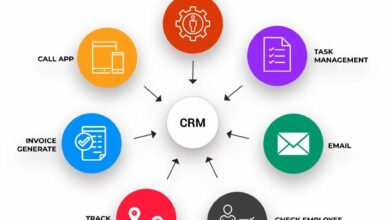
Customer Relationship Management (CRM) platforms like Salesforce and Zoho help businesses track interactions, manage pipelines, and automate follow-ups. These tools ensure no lead falls through the cracks and enable data-driven decision-making.
- Automated email sequences nurture cold leads.
- Sales forecasting improves accuracy and planning.
- Integration with marketing tools creates seamless workflows.
E-Commerce Platforms for B2B
Traditional B2B ordering via phone or email is being replaced by digital storefronts. Platforms like Magento B2B, Shopify Plus, and BigCommerce offer self-service portals where businesses can log in, view negotiated pricing, and place orders instantly.
- 24/7 ordering improves customer convenience.
- Order history and reordering simplify procurement.
- Real-time inventory updates reduce errors.
Data Analytics and Customer Insights
B2B companies now leverage data to understand buying behavior, predict churn, and personalize experiences. Tools like Google Analytics, Mixpanel, and Tableau turn raw data into actionable insights.
- Heatmaps reveal how users interact with websites.
- Cohort analysis identifies high-value customer segments.
- Predictive modeling forecasts future sales trends.
Future Trends Shaping B2B Meaning
The b2b meaning continues to evolve, driven by innovation, globalization, and changing buyer expectations. Staying ahead requires foresight and adaptability. Here are the trends that will define the next decade of B2B commerce.
AI-Powered Personalization at Scale
Artificial intelligence will enable hyper-personalized experiences for B2B buyers. From chatbots that answer technical questions to recommendation engines that suggest complementary products, AI will make interactions more efficient and relevant.
b2b meaning – B2b meaning menjadi aspek penting yang dibahas di sini.
- Dynamic content adapts to user roles and industries.
- AI analyzes past purchases to suggest upgrades.
- Virtual assistants handle routine inquiries, freeing up human agents.
Sustainability and Ethical Sourcing
Businesses are under increasing pressure to operate sustainably. B2B buyers now evaluate suppliers based on carbon footprint, labor practices, and environmental impact. Companies that prioritize ESG (Environmental, Social, and Governance) criteria gain a competitive edge.
- Green certifications enhance brand reputation.
- Supply chain transparency builds trust.
- Regulatory compliance avoids fines and reputational damage.
Hybrid Buying Models: Digital and Human Touch
The future of B2B isn’t fully digital or fully human—it’s hybrid. Buyers want the convenience of online portals but also expect access to knowledgeable reps when needed. The best B2B companies will blend automation with empathy.
- Self-service options coexist with live support.
- Videos and demos replace static product sheets.
- Human touchpoints are reserved for high-stakes decisions.
What is the basic b2b meaning?
The basic b2b meaning is a business model where companies sell products or services to other businesses, rather than to individual consumers. It emphasizes long-term relationships, higher transaction values, and complex decision-making processes.
How does B2B differ from B2C?
B2B involves transactions between businesses, with longer sales cycles, higher prices, and multiple decision-makers. B2C targets individual consumers with emotional appeals, shorter buying journeys, and simpler transactions.
What are common B2B marketing strategies?
Effective B2B marketing includes content marketing, account-based marketing (ABM), social selling (especially on LinkedIn), SEO, and email nurturing campaigns. The focus is on education, trust-building, and lead qualification.
Which industries operate on a B2B model?
Major B2B industries include manufacturing, information technology, SaaS, professional services, logistics, healthcare equipment, and wholesale distribution.
How is technology changing the b2b meaning today?
Technology is transforming B2B through CRM systems, AI-driven analytics, e-commerce platforms, and automation. These tools enhance efficiency, personalization, and customer experience, making digital transformation essential for growth.
Understanding the b2b meaning is crucial for anyone involved in modern business. From its historical roots to cutting-edge digital strategies, B2B is a dynamic and essential part of the global economy. As technology advances and buyer expectations evolve, companies must adapt by embracing innovation, building strong relationships, and delivering measurable value. Whether you’re launching a startup or scaling an enterprise, mastering the principles of B2B will position you for long-term success.
b2b meaning – B2b meaning menjadi aspek penting yang dibahas di sini.
Further Reading: