Ever wondered how companies sell to other companies? Dive into these real B2B examples that reveal how industry giants and hidden champions dominate their markets with smart strategies, long-term relationships, and scalable solutions.





B2B Examples: Understanding the Core of Business-to-Business Sales

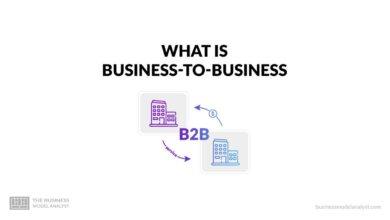
Business-to-business (B2B) transactions form the backbone of the global economy. Unlike B2C (business-to-consumer), where companies sell directly to individuals, B2B involves one business selling products or services to another. These relationships are often long-term, complex, and built on trust, data, and value-driven solutions. Understanding B2B examples helps entrepreneurs, marketers, and executives see how value is created across supply chains, tech platforms, and service ecosystems.
What Defines a B2B Model?
The B2B model is defined by transactions between businesses rather than individual consumers. This could be a software company selling CRM tools to enterprises, a manufacturer supplying raw materials to another factory, or a logistics firm managing delivery networks for e-commerce platforms.
- Sales cycles are typically longer and involve multiple decision-makers.
- Pricing is often customized based on volume, integration needs, or service level agreements (SLAs).
- Relationships are nurtured over time with account managers, contracts, and performance metrics.
According to IBISWorld, the global B2B market was valued at over $12 trillion in 2023 and continues to grow, driven by digital transformation and supply chain innovation.
Key Differences Between B2B and B2C
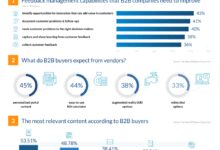
While both models aim to generate revenue, their strategies diverge significantly. In B2C, emotional appeal, branding, and impulse buying play major roles. In contrast, B2B decisions are rational, data-backed, and focused on ROI, efficiency, and scalability.
- B2B buyers prioritize functionality, integration, and long-term cost savings.
- Marketing in B2B relies heavily on case studies, whitepapers, and industry-specific content.
- Sales teams in B2B often engage in consultative selling, acting as advisors rather than just vendors.
“In B2B, you’re not just selling a product—you’re selling a solution to a business problem.” — Forbes Insights
Top 7 B2B Examples That Define Modern Business Success
Let’s explore seven powerful B2B examples that showcase how companies create value, scale operations, and dominate their niches. These aren’t just textbook cases—they’re real-world leaders shaping the future of commerce, technology, and industry.
1. Salesforce: Revolutionizing CRM for Enterprises
Salesforce is one of the most iconic B2B examples in the SaaS (Software as a Service) space. Founded in 1999, it pioneered cloud-based Customer Relationship Management (CRM) software, allowing businesses to manage sales, marketing, and customer service from a single platform.
- Salesforce serves over 150,000 customers globally, including Fortune 500 companies like Amazon, Toyota, and Unilever.
- Its ecosystem includes AppExchange, a marketplace for third-party apps, enhancing its B2B value proposition.
- The company reported $31.4 billion in revenue for fiscal year 2023, up 11% year-over-year.
Salesforce’s success lies in its ability to integrate with other enterprise systems, offer AI-powered analytics (via Einstein AI), and provide scalable solutions for businesses of all sizes. For more insights, visit Salesforce’s official site.
2. Amazon Web Services (AWS): Powering the Digital Backbone
AWS is a textbook example of infrastructure-as-a-service (IaaS) in the B2B world. As the cloud computing arm of Amazon, AWS provides scalable computing power, storage, databases, and machine learning tools to businesses worldwide.
- Over 1 million active customers use AWS, including Netflix, Airbnb, and the U.S. Central Intelligence Agency (CIA).
- AWS holds a 32% market share in the global cloud infrastructure market, according to Gartner.
- In 2023, AWS generated $90.8 billion in revenue, making it Amazon’s most profitable segment.
AWS’s B2B model thrives on reliability, security, and global reach. Companies don’t just buy servers—they buy innovation at scale. From startups to governments, AWS enables digital transformation without the need for physical data centers.
3. Siemens: Industrial Automation and Smart Infrastructure
Siemens AG is a German multinational powerhouse in industrial manufacturing, energy, and healthcare. As a B2B giant, it provides automation systems, digital twin technology, and smart building solutions to factories, cities, and hospitals.
- Siemens Digital Industries Software helps manufacturers simulate production lines before physical setup, reducing costs and errors.
- The company’s MindSphere platform is an industrial IoT (Internet of Things) system connecting machines for real-time analytics.
- In 2023, Siemens reported €78.3 billion in revenue, with over 80% coming from B2B operations.
One standout B2B example is Siemens’ partnership with Volkswagen to digitize EV production plants using AI and predictive maintenance. This collaboration reduces downtime and increases output efficiency by up to 20%.
4. HubSpot: Inbound Marketing and Sales Automation
HubSpot has redefined how mid-market and enterprise companies approach marketing, sales, and customer service. Its all-in-one platform combines CRM, email marketing, content management, and analytics into a seamless B2B solution.
- HubSpot serves over 200,000 customers, including SurveyMonkey, Trello, and ClassPass.
- The company’s inbound methodology focuses on attracting customers through valuable content rather than cold outreach.
- In 2023, HubSpot reported $1.8 billion in revenue, growing at 28% annually.
What makes HubSpot a standout among B2B examples is its educational approach. Through its Academy, blog, and certifications, HubSpot empowers businesses to grow using data-driven strategies. Learn more at HubSpot’s official website.
5. McKinsey & Company: Strategic Consulting at Scale
McKinsey is one of the world’s leading management consulting firms, advising corporations, governments, and nonprofits on strategy, operations, and digital transformation. As a pure-play B2B service provider, McKinsey doesn’t sell products—it sells expertise.
- McKinsey works with 90 of the Fortune 100 companies and operates in over 65 countries.
- Its consultants use data analytics, economic modeling, and organizational psychology to drive change.
- Estimated annual revenue exceeds $15 billion, though exact figures are private.
One notable B2B example is McKinsey’s role in helping a major European retailer optimize its supply chain, resulting in a 30% reduction in logistics costs. The firm’s value lies in its ability to diagnose complex business problems and deliver actionable insights.
6. Shopify Plus: E-Commerce Infrastructure for Enterprises
While Shopify is known for helping small businesses go online, Shopify Plus is its enterprise-grade B2B solution. It enables large brands to manage high-volume sales, custom workflows, and global expansion through a flexible e-commerce platform.
- Shopify Plus powers B2B stores for brands like Heineken, Gymshark, and Nestlé.
- It supports wholesale portals, API integrations, and multi-location inventory management.
- Over 10,000 enterprises use Shopify Plus, contributing significantly to Shopify’s $7.1 billion revenue in 2023.
One key B2B example is how Unilever uses Shopify Plus to manage its direct-to-business (D2B) sales in emerging markets, bypassing traditional distributors and gaining better control over pricing and customer data.
7. Palo Alto Networks: Cybersecurity for the Modern Enterprise
In an era of rising cyber threats, Palo Alto Networks stands out as a leader in B2B cybersecurity. The company provides next-generation firewalls, cloud security, and AI-driven threat detection to protect corporate networks.
- Palo Alto serves over 85,000 customers, including banks, healthcare providers, and government agencies.
- Its Cortex XDR platform uses behavioral analytics to detect and respond to attacks in real time.
- Revenue reached $6.4 billion in 2023, with 27% year-over-year growth.
This is a prime B2B example of how specialized technology providers address critical business risks. With ransomware attacks increasing by 93% in 2023 (per Statista), companies rely on vendors like Palo Alto to safeguard operations.
How B2B Examples Drive Innovation Across Industries
The best B2B examples don’t just make money—they drive innovation. By solving complex challenges for other businesses, B2B companies act as catalysts for progress in manufacturing, healthcare, finance, and technology.
Enabling Digital Transformation
Digital transformation is no longer optional. B2B providers like Microsoft Azure, Google Cloud, and ServiceNow offer the tools businesses need to modernize legacy systems, automate workflows, and improve decision-making.
- ServiceNow’s workflow automation platform helps IT departments resolve tickets 40% faster.
- Google Cloud’s AI tools enable retailers to forecast demand with 90% accuracy.
- These platforms reduce operational friction and free up human capital for strategic tasks.
According to a McKinsey report, companies that partner with B2B tech providers are 2.3x more likely to achieve successful digital transformation.
Scaling Supply Chain Efficiency
B2B relationships are the lifeblood of supply chains. Companies like Flexport, a digital freight forwarder, use technology to streamline international shipping, customs clearance, and logistics tracking.
- Flexport’s platform provides real-time visibility into shipment status, reducing delays and inventory costs.
- It integrates with ERP systems like SAP and Oracle, enabling seamless data flow.
- Customers include Google, Shopify, and Ford, who rely on Flexport for global distribution.
This is another powerful B2B example of how technology enhances physical operations. In 2023, Flexport raised $900 million in funding, valuing the company at $8 billion.
Accelerating Sustainability Initiatives
Sustainability is a growing priority for businesses. B2B providers like Schneider Electric and Ørsted help companies reduce carbon emissions through energy-efficient systems and renewable energy solutions.
- Schneider Electric’s EcoStruxure platform optimizes energy use in data centers and factories.
- Ørsted, a Danish energy firm, partners with corporations to supply offshore wind power.
- Apple, for instance, uses Ørsted’s green energy to power its European operations.
These B2B examples show how environmental goals are achieved through collaboration. A UNEP study found that B2B sustainability partnerships can reduce a company’s carbon footprint by up to 40%.
B2B Examples in Niche Markets: Hidden Champions of Industry
While giants like AWS and Salesforce dominate headlines, many lesser-known B2B companies are equally impactful. These “hidden champions” operate in specialized niches, delivering critical components, software, or services that keep industries running.
ASML: The Invisible Giant in Semiconductor Manufacturing
ASML Holding, a Dutch company, produces extreme ultraviolet (EUV) lithography machines—essential for manufacturing advanced computer chips. No other company can build these machines at scale.
- ASML’s machines cost over $150 million each and are used by TSMC, Intel, and Samsung.
- It holds a monopoly on EUV technology, making it a critical link in the global tech supply chain.
- In 2023, ASML reported €21.2 billion in revenue and a net profit margin of 32%.
This is a fascinating B2B example of how a single company can influence the entire tech ecosystem. Without ASML, next-gen AI chips and smartphones wouldn’t exist.
ServiceTitan: Transforming the Home Services Industry
ServiceTitan is a SaaS platform designed for HVAC, plumbing, and electrical contractors. It offers scheduling, invoicing, marketing, and customer management tools tailored to tradespeople.
- Over 100,000 technicians use ServiceTitan across 10,000+ companies.
- The platform increases average revenue per job by 15–25% through upselling and efficiency.
- Backed by $1.7 billion in funding, ServiceTitan is valued at over $11 billion.
This B2B example highlights how software can empower traditionally underserved sectors. By digitizing operations, ServiceTitan helps small businesses compete with larger players.
UiPath: Automating Business Processes with RPA
UiPath is a leader in Robotic Process Automation (RPA), enabling businesses to automate repetitive tasks like data entry, invoice processing, and compliance reporting.
- Over 4,000 enterprises use UiPath, including Walmart, BMW, and the NHS (UK).
- Automation reduces processing time by up to 80% and cuts operational costs by 30%.
- UiPath’s AI-powered bots can learn from user behavior and adapt over time.
This is a prime B2B example of how automation drives efficiency. A study by Forrester found that companies using RPA see a 300% ROI within the first year.
Strategic Lessons from Leading B2B Examples
What can businesses learn from these B2B examples? Beyond revenue and market share, these companies share common strategies that fuel their success.
Focus on Customer Success, Not Just Sales
The most successful B2B companies invest heavily in customer success teams. These teams ensure clients achieve their goals, leading to renewals, upsells, and referrals.
- Salesforce employs over 5,000 customer success managers globally.
- HubSpot’s customer retention rate exceeds 90%, thanks to proactive support and education.
- Customer success is now a $1.2 billion industry, growing at 15% annually.
As Gartner notes, “Customer success is the new competitive advantage in B2B.”
Leverage Data and AI for Personalization
B2B buyers expect personalized experiences, just like consumers. Companies use data analytics and AI to tailor recommendations, pricing, and support.
- Amazon Business uses purchase history to suggest bulk deals and alternative suppliers.
- McKinsey applies AI to analyze industry trends and predict client needs.
- Personalized onboarding increases user adoption by 50%, according to a HubSpot survey.
Data-driven personalization is no longer optional—it’s a core component of modern B2B examples.
Build Ecosystems, Not Just Products
The most valuable B2B companies don’t sell isolated tools—they build ecosystems. Salesforce’s AppExchange, AWS’s Partner Network, and Shopify’s App Store are all examples of platforms that multiply value through third-party integrations.
- Ecosystems increase customer stickiness and reduce churn.
- They enable innovation without direct R&D investment.
- Over 60% of B2B software buyers prefer platforms with strong ecosystem support.
“Your product is only as strong as the ecosystem around it.” — Marc Benioff, CEO of Salesforce
Emerging Trends Shaping Future B2B Examples
The B2B landscape is evolving rapidly. New technologies, buyer expectations, and global challenges are reshaping how companies interact. Let’s explore the trends that will define the next generation of B2B examples.
Rise of AI-Powered Sales and Marketing
Artificial intelligence is transforming B2B sales cycles. AI tools can identify high-intent leads, personalize outreach, and predict churn with remarkable accuracy.
- Companies like Gong and Clari use AI to analyze sales calls and forecast revenue.
- AI chatbots now handle 40% of initial B2B inquiries, freeing up human reps for complex deals.
- According to Salesforce’s State of Sales Report, 80% of high-performing sales teams use AI.
This trend will only accelerate, making AI a must-have in future B2B examples.
Growth of Subscription and Usage-Based Pricing
Traditional licensing models are fading. More B2B companies are adopting subscription and usage-based pricing, aligning costs with value.
- AWS charges based on compute hours and data transfer.
- UiPath bills per bot or process automated.
- This model improves cash flow predictability and customer satisfaction.
A Zuora report found that subscription-based B2B companies grow 5x faster than traditional ones.
Increased Focus on ESG and Ethical Sourcing
Environmental, Social, and Governance (ESG) factors are now central to B2B decision-making. Buyers prefer vendors with strong sustainability practices and ethical supply chains.
- Apple requires all suppliers to use 100% renewable energy.
- Siemens audits its vendors for labor and environmental compliance.
- ESG-aligned B2B companies see 20% higher brand trust, per Edelman Trust Barometer.
This shift reflects a broader move toward responsible capitalism in B2B examples.
How to Apply B2B Examples to Your Own Business
Studying successful B2B examples isn’t just academic—it’s strategic. Whether you’re launching a startup or scaling an existing company, these insights can guide your decisions.
Identify Your Core Value Proposition
Every great B2B company solves a specific problem. Ask: What pain point do you alleviate? Is it time, cost, risk, or complexity?
- Salesforce solves customer data fragmentation.
- ASML solves the challenge of chip miniaturization.
- Define your value clearly and communicate it consistently.
Use customer interviews and market research to refine your message.
Invest in Long-Term Relationships
B2B success isn’t about one-off sales. It’s about building trust, delivering results, and growing together.
- Assign account managers to key clients.
- Offer training, support, and regular check-ins.
- Measure customer satisfaction with Net Promoter Score (NPS).
Long-term relationships lead to referrals, case studies, and organic growth.
Adopt a Platform Mindset
Even if you’re not building a full ecosystem, think like a platform. How can your product integrate with others? Can third parties extend its functionality?
- Use APIs to connect with CRM, ERP, and analytics tools.
- Partner with complementary vendors for co-marketing.
- A platform mindset increases scalability and market reach.
As the B2B examples show, isolation leads to obsolescence—integration leads to dominance.
What are B2B examples?
B2B examples are real-world cases of businesses selling products or services to other businesses. These include companies like Salesforce, AWS, and Siemens, which provide software, cloud infrastructure, and industrial solutions to enterprises.
Why are B2B examples important?
Studying B2B examples helps entrepreneurs and marketers understand successful strategies, customer needs, and market trends. They provide actionable insights for building scalable, value-driven businesses.
What industries have the most B2B examples?
Tech (SaaS, cloud), manufacturing, consulting, logistics, and cybersecurity are rich with B2B examples. These sectors rely heavily on inter-company collaboration and specialized solutions.
How can I apply B2B examples to my startup?
You can apply B2B examples by identifying a clear value proposition, focusing on customer success, leveraging data, and building integrations. Learn from leaders in your niche to avoid common pitfalls and accelerate growth.
What’s the difference between B2B and B2C examples?
B2B examples involve rational, long-term, and value-based transactions between businesses. B2C examples focus on emotional appeal, branding, and direct consumer engagement. The sales process, marketing, and pricing models differ significantly.
The world of B2B is vast, dynamic, and full of opportunity. From tech titans to niche innovators, the best B2B examples share a commitment to solving real business problems, building lasting relationships, and driving innovation. By studying these leaders, any company can refine its strategy, improve its offerings, and achieve sustainable growth in today’s competitive landscape.
Further Reading: