Ever wondered why some companies thrive by selling to other businesses? It’s not luck—it’s a smart b2b business strategy. In this deep dive, we’ll uncover the real mechanics behind successful B2B operations, from sales models to digital transformation.





What Exactly Is a B2B Business?

The term b2b business refers to any commercial transaction between two businesses, rather than between a business and individual consumers (B2C). This model powers global supply chains, technology integrations, and enterprise services. Understanding its core is essential for anyone looking to build or scale in this space.
Defining B2B: Beyond the Acronym
B2B stands for “Business-to-Business,” meaning companies sell products or services to other organizations. These can range from raw materials for manufacturing to cloud software for enterprise management. Unlike B2C, where emotions often drive purchases, B2B decisions are typically rational, data-driven, and involve multiple stakeholders.
- Sales cycles are longer and more complex.
- Purchase decisions often require approval from several departments.
- Customer relationships are long-term and relationship-focused.
“In B2B, you’re not just selling a product—you’re selling trust, reliability, and long-term value.” — Forbes Insights, The Evolution of B2B Sales
Common Examples of B2B Models
Some of the most recognizable b2b business types include:
- Manufacturers selling components to other manufacturers (e.g., Intel selling chips to Dell).
- Software-as-a-Service (SaaS) platforms like Salesforce or HubSpot serving enterprise clients.
- Wholesale distributors supplying retailers with inventory.
- Consulting firms offering legal, financial, or marketing services to corporations.
Each of these operates on the principle of enabling another business to function more efficiently or profitably.
Key Differences Between B2B and B2C
While both models aim to generate revenue, the strategies, customer psychology, and sales processes differ significantly. Recognizing these distinctions is critical for crafting effective marketing and sales campaigns in a b2b business environment.
Decision-Making Complexity
In B2C, a single consumer can make a purchase decision quickly—often impulsively. In contrast, a b2b business sale usually involves a committee. Procurement teams, technical evaluators, financial officers, and end-users may all weigh in before a deal closes.
- Multiple stakeholders mean longer negotiation periods.
- Contracts are often customized and legally reviewed.
- ROI justification is mandatory.
This complexity demands a consultative sales approach rather than a transactional one.
Marketing and Messaging Approaches
B2C marketing thrives on emotion, branding, and mass appeal. Think of catchy slogans, celebrity endorsements, and social media virality. B2B marketing, however, focuses on logic, efficiency, and problem-solving.
- Content is educational: whitepapers, case studies, webinars.
- Channels include LinkedIn, industry events, and email nurturing.
- Messaging emphasizes cost savings, productivity gains, and scalability.
For example, a B2B cybersecurity firm won’t advertise with flashy ads but will publish threat reports and compliance guides to establish authority.
Core Components of a Successful B2B Business Model
A thriving b2b business isn’t built overnight. It requires a solid foundation of strategy, infrastructure, and customer understanding. Let’s break down the essential elements that make B2B operations sustainable and scalable.
Value Proposition and Niche Specialization
One of the biggest mistakes new B2B companies make is trying to be everything to everyone. Success comes from solving a specific problem for a well-defined audience.
- Ask: What pain point do we eliminate?
- Define your ideal customer profile (ICP) clearly.
- Communicate how your solution saves time, reduces costs, or improves performance.
For instance, Slack didn’t just create another messaging app—it positioned itself as a tool to reduce email overload in teams, a clear value proposition for businesses.
b2b business – B2b business menjadi aspek penting yang dibahas di sini.
Sales Funnel and Customer Journey Mapping
The B2B sales funnel is longer and more nuanced than its B2C counterpart. It typically includes stages like awareness, consideration, decision, and retention.
- Awareness: Prospects discover your brand through content, ads, or referrals.
- Consideration: They compare your solution with competitors using demos, trials, or consultations.
- Decision: Contracts are negotiated, and implementation plans are discussed.
- Retention: Onboarding, support, and upselling keep the relationship active.
Mapping this journey helps identify bottlenecks and optimize conversion rates. Tools like HubSpot’s Sales Funnel provide frameworks for tracking progress.
Technology and Digital Transformation in B2B
The digital revolution has reshaped how b2b business interactions occur. From AI-driven analytics to cloud-based collaboration, technology is no longer optional—it’s the backbone of modern B2B operations.
The Rise of E-Commerce Platforms for B2B
Traditionally, B2B transactions relied on phone calls, emails, and in-person meetings. Today, e-commerce platforms are streamlining procurement.
- Companies like Alibaba and ThomasNet offer B2B marketplaces where buyers can compare suppliers.
- Custom portals allow clients to place orders, track shipments, and access invoices 24/7.
- Integration with ERP systems ensures real-time inventory and pricing updates.
According to a report by McKinsey, over 70% of B2B buyers now prefer digital self-service options.
Automation and CRM Systems
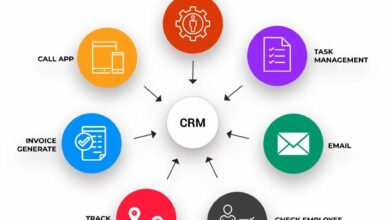
Customer Relationship Management (CRM) tools like Salesforce, Zoho, and Microsoft Dynamics are indispensable in managing B2B relationships.
- They centralize customer data, interaction history, and sales pipelines.
- Automation features handle follow-ups, lead scoring, and task reminders.
- AI-powered insights predict churn risk and upsell opportunities.
By reducing manual work, CRMs allow sales teams to focus on high-value activities like relationship building and strategic planning.
Building Long-Term B2B Customer Relationships
In a b2b business, customer acquisition is expensive. Therefore, retention is not just important—it’s essential for profitability. Strong relationships lead to repeat business, referrals, and contract renewals.
The Role of Trust and Reliability
Businesses don’t buy from vendors they don’t trust. Consistency in delivery, communication, and problem resolution builds credibility.
- Meet deadlines without fail.
- Be transparent about pricing and service limitations.
- Respond promptly to issues and offer solutions, not excuses.
A study by PwC found that 83% of B2B customers say trust is a key factor in their purchasing decisions.
Account Management and Personalization
Top-performing B2B companies assign dedicated account managers to key clients. These professionals act as strategic partners, not just sales reps.
- They understand the client’s business goals and challenges.
- They proactively suggest improvements or new services.
- They facilitate cross-functional collaboration between teams.
Personalization goes beyond using the client’s name in emails. It means tailoring solutions, reporting formats, and communication styles to fit their organizational culture.
Marketing Strategies That Work in B2B
Effective B2B marketing isn’t about flashy campaigns—it’s about delivering value at every touchpoint. The goal is to position your brand as a thought leader and trusted advisor.
b2b business – B2b business menjadi aspek penting yang dibahas di sini.
Content Marketing and Thought Leadership
High-quality content establishes expertise and nurtures leads over time.
- Write in-depth blog posts addressing industry challenges.
- Publish case studies showing real-world results.
- Create downloadable resources like checklists, templates, and eBooks.
For example, HubSpot’s blog attracts millions of visitors monthly by offering free, actionable marketing advice—building trust and generating leads.
LinkedIn and Account-Based Marketing (ABM)
LinkedIn is the go-to platform for B2B networking and outreach. When combined with ABM, it becomes a powerful tool.
- ABM targets specific high-value accounts with personalized campaigns.
- Sales and marketing teams align to engage decision-makers directly.
- Content is tailored to each account’s industry, size, and pain points.
According to ABM Leadership, companies using ABM report 200% higher sales win rates.
Challenges and Risks in the B2B Business Landscape
Despite its potential for high-value contracts, the b2b business world is fraught with challenges. From economic volatility to cybersecurity threats, companies must be prepared to navigate complex risks.
Economic Sensitivity and Market Volatility
B2B demand is closely tied to overall economic health. During recessions, businesses cut back on non-essential spending, impacting vendors.
- Companies may delay upgrades or freeze hiring.
- Supply chain disruptions affect production and delivery timelines.
- Currency fluctuations impact international B2B transactions.
To mitigate this, diversify your client base across industries and geographies to reduce dependency on a single market.
Cybersecurity and Data Privacy Concerns
As B2B interactions move online, the risk of data breaches increases. Clients expect vendors to protect sensitive information.
- Implement robust encryption and access controls.
- Comply with regulations like GDPR, CCPA, and HIPAA where applicable.
- Conduct regular security audits and employee training.
A single breach can destroy years of trust. Investing in cybersecurity is not just technical—it’s a business imperative.
Future Trends Shaping the B2B Business World
The b2b business model is evolving rapidly. Emerging technologies, changing buyer expectations, and global shifts are redefining how companies interact and transact.
AI and Predictive Analytics in Sales
Artificial Intelligence is transforming B2B sales by enabling smarter decision-making.
- Predictive lead scoring identifies which prospects are most likely to convert.
- Chatbots handle initial inquiries and qualify leads 24/7.
- Natural language processing analyzes customer sentiment in emails and calls.
Platforms like Salesforce Einstein use AI to recommend next-best actions for sales reps, increasing efficiency and close rates.
Sustainability and Ethical Sourcing
More B2B buyers are prioritizing sustainability. They want partners who align with their environmental and social values.
b2b business – B2b business menjadi aspek penting yang dibahas di sini.
- Use eco-friendly packaging and reduce carbon footprint.
- Source materials ethically and ensure fair labor practices.
- Report on ESG (Environmental, Social, Governance) metrics transparently.
According to a 2023 IBM study, 68% of B2B procurement officers consider sustainability when choosing suppliers.
What is the main difference between B2B and B2C?
The primary difference lies in the customer and decision-making process. B2B involves businesses selling to other businesses, with longer sales cycles, multiple stakeholders, and rational, ROI-driven decisions. B2C targets individual consumers, often relying on emotional appeals and quicker purchase decisions.
How long does a typical B2B sales cycle last?
A typical B2B sales cycle can range from 1 to 6 months, depending on the product complexity, price point, and number of decision-makers involved. High-value SaaS contracts or enterprise hardware deals may take even longer.
What are the most effective marketing channels for B2B?
The most effective channels include LinkedIn, email marketing, content marketing (blogs, whitepapers), webinars, and account-based marketing (ABM). Industry-specific events and trade shows also remain valuable for networking and lead generation.
Why is customer retention crucial in B2B?
Customer acquisition costs are significantly higher in B2B. Retaining clients ensures recurring revenue, reduces churn, and opens opportunities for upselling and referrals. Long-term relationships also provide valuable feedback for product improvement.
How is AI impacting B2B sales and marketing?
AI is revolutionizing B2B by automating repetitive tasks, predicting customer behavior, personalizing outreach, and enhancing data analysis. From chatbots to predictive analytics, AI enables teams to work smarter, close deals faster, and deliver more relevant experiences.
Running a successful b2b business requires more than just a great product. It demands a deep understanding of customer needs, strategic marketing, robust technology, and unwavering commitment to relationships. As the landscape evolves with AI, digital platforms, and sustainability demands, companies that adapt will thrive. The future of B2B isn’t just about transactions—it’s about building ecosystems of trust, innovation, and mutual growth. Whether you’re launching a startup or scaling an enterprise, mastering these principles will set you apart in the competitive world of business-to-business commerce.
b2b business – B2b business menjadi aspek penting yang dibahas di sini.
Further Reading: